Fruit, Not Works: How the Holy Spirit Transforms the Believer
The Bible clearly shows the difference between the works of the flesh and the fruit of the Spirit. The first comes from our own effort, while the second grows through God’s power. In this blog, I’ll share how the Spirit shapes Christlike character in believers and why real holiness comes from God’s grace, not from trying to follow rules on our own.
William Neal Craig, Doctor of Ministry (D.Min.) Candidate in Theology and Apologetics, Liberty University, John W. Rawlings School of Divinity
2/1/20264 min read
The Fruit of the Spirit: When Christ’s Character Grows in Us
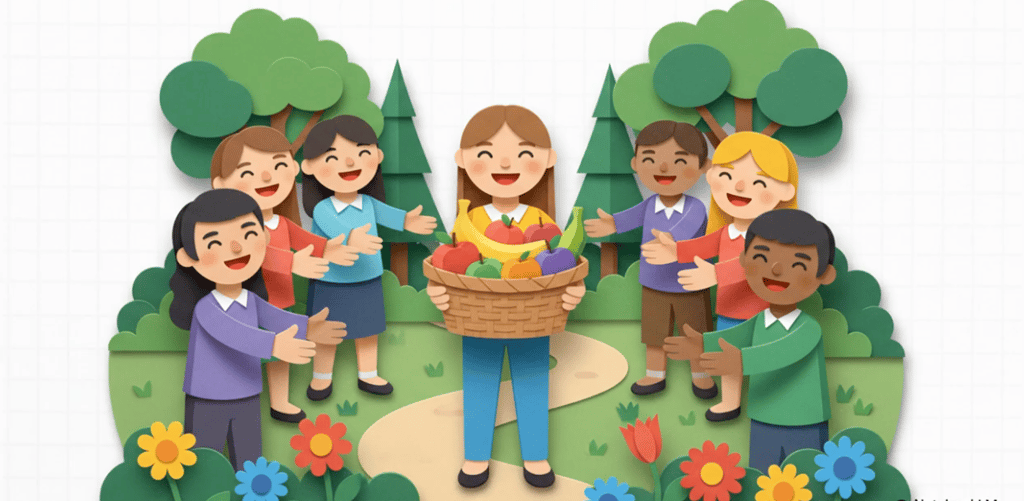
Galatians 5:22–23 offers one of the clearest and most inspiring pictures of the Christian life found in the Bible:
“But the fruit of the Spirit is love, joy, peace, longsuffering, kindness, goodness, faithfulness, gentleness, self-control.”
Since the early church, theologians have seen this list as a sample of what the Holy Spirit brings out in a believer’s life, not a full list of every virtue. These qualities are not just random traits. They are the same qualities that define Jesus Christ, who was filled with the Spirit. Each one is also linked to God the Father or the Son elsewhere in Scripture. So, the fruit of the Spirit shows God’s character taking shape in His people.
At its core, the fruit of the Spirit is God’s image being restored and grown in believers by the Holy Spirit’s work.
Fruit, Not Works
Paul chooses his words carefully in Galatians 5. He sets the “works of the flesh” against the “fruit of the Spirit.” This is more than just a difference in words; it points to two very different sources for how we live and act.
Works are what we accomplish through our own effort.
Fruit is what grows by God’s power.
Fruit isn’t something we make; it grows naturally. You can try to change your behavior or habits by willpower, but you can’t create spiritual fruit on your own. Only God can make it grow. The Spirit lives in every true believer and changes us from the inside out.
This difference also shows in the results. The “works” of the flesh are many—different kinds of sin, conflict, and disorder. Sin always divides. But the “fruit” of the Spirit is one thing, even though it has many parts. Where the Spirit leads, there is unity, wholeness, and peace.
A self-focused life will show the works of the flesh. A life centered on Christ will show the fruit of the Spirit.
The Central Place of Love
Of these nine qualities, love is at the center. The Bible often shows that love is the main sign of Christian maturity. All the other qualities flow from it. Joy, peace, patience, and kindness all come from a heart that has received and now shares God’s love.
Christian holiness isn’t about following rules without feeling. It comes from accepting the Spirit’s gift of God’s love in our hearts. As that love grows, the other fruit follows.
Other parts of the Bible say the same thing. Ephesians 5:9 sums up spiritual fruit as “goodness, righteousness, and truth.” Second Peter 1:5–7 lists a series of growing qualities: virtue, knowledge, self-control, perseverance, godliness, brotherly kindness, and love. The lists may differ, but they all come from a life changed by God from the inside.
Our Responsibility in the Spirit’s Work
Calling it the “fruit of the Spirit” doesn’t mean believers do nothing. The Spirit is the source, but we are meant to follow His lead. God’s grace doesn’t take the place of obedience; it gives us the strength to obey.
We can’t make the fruit grow, but we are responsible for creating the right conditions—by praying, following Scripture, repenting, worshiping, and depending on Christ each day. The Christian life is a partnership: God works in us, and we work with Him.
The Personal Benefits of Spiritual Fruit
When the fruit of the Spirit grows, the change isn’t just an idea—it’s something real and practical.
Personally, you become more spiritually productive and helpful to God and others. Life gains purpose. You start to think and act more like Christ. Take self-control as an example. With the Spirit’s help, self-control brings freedom: freedom to care for your body, freedom from harmful habits, freedom from guilt, and freedom to love others well.
The fruit of the Spirit changes not only your actions, but also who you are inside.
The Relational Impact
The fruit of the Spirit isn’t meant to be kept to yourself. It’s meant to be shared with others.
When God’s love fills your heart, it shows in patience, kindness, and gentleness toward others—your family, church, coworkers, and even strangers. Relationships change when the Spirit is working. Harshness becomes gentleness. Bitterness turns into goodness. Conflict is met with peace and patience.
The fruit of the Spirit strengthens your relationships and shows that your connection to God is real and active.
A Witness to the World
The impact goes beyond just you or your family. When people see the fruit of the Spirit in believers, they get a glimpse of what God is like.
Healthy people help build healthy families. Healthy families help build healthy churches and communities. In this way, spiritual growth spreads outward. The Spirit’s quiet work in our hearts becomes a strong witness to the world.
The works of the flesh show how people turn away from God. The fruit of the Spirit shows Christ’s life in His people.
Abide, and Let Him Grow the Fruit
It’s important to understand that God doesn’t just give us these virtues while we do nothing. We are called to seek them, practice them, and live them out each day. Still, all our effort depends on His power. We work at it, but we rely on the Spirit, who alone can produce real fruit.
The Christian life isn’t about trying harder to seem religious. It’s about staying close to Christ so His life can flow through us.
When that happens, love grows. Joy becomes deeper. Peace calms our hearts. Patience lasts longer. Kindness makes us softer. Goodness builds our integrity. Faithfulness keeps us steady. Gentleness balances our strength. Self-control guides our actions.
This is the fruit of the Spirit: the life of Christ growing in us.